Leonard Adams
Understanding Testosterone: The Vital Hormone for Men
What is Testosterone?
Testosterone is a hormone primarily produced in the testicles, and it plays a central role in developing male physical features. It’s responsible for muscle mass, bone density, red blood cell production, sex drive, and sperm production. In short, it’s what makes men feel like men.
The Role of Testosterone in Male Health
Testosterone isn’t just about libido. It impacts nearly every system in a man’s body — from the cardiovascular and muscular systems to mental clarity and mood. Without balanced testosterone levels, many bodily functions start to falter.
Causes of Low Testosterone
Low testosterone, or “low T,” affects millions of men — particularly as they age. But age isn’t the only culprit.
Natural Decline with Age
After age 30, testosterone levels begin to dip by about 1% per year. While this is natural, some men experience a sharper decline, leading to noticeable symptoms.
Medical Conditions
Conditions like obesity, diabetes, metabolic syndrome, or pituitary disorders can disrupt testosterone production. Chemotherapy, radiation, and testicular injuries may also be contributing factors.
Lifestyle and Environmental Factors
Poor diet, lack of exercise, chronic stress, inadequate sleep, and exposure to endocrine disruptors (like BPA found in plastics) can lead to hormonal imbalances.
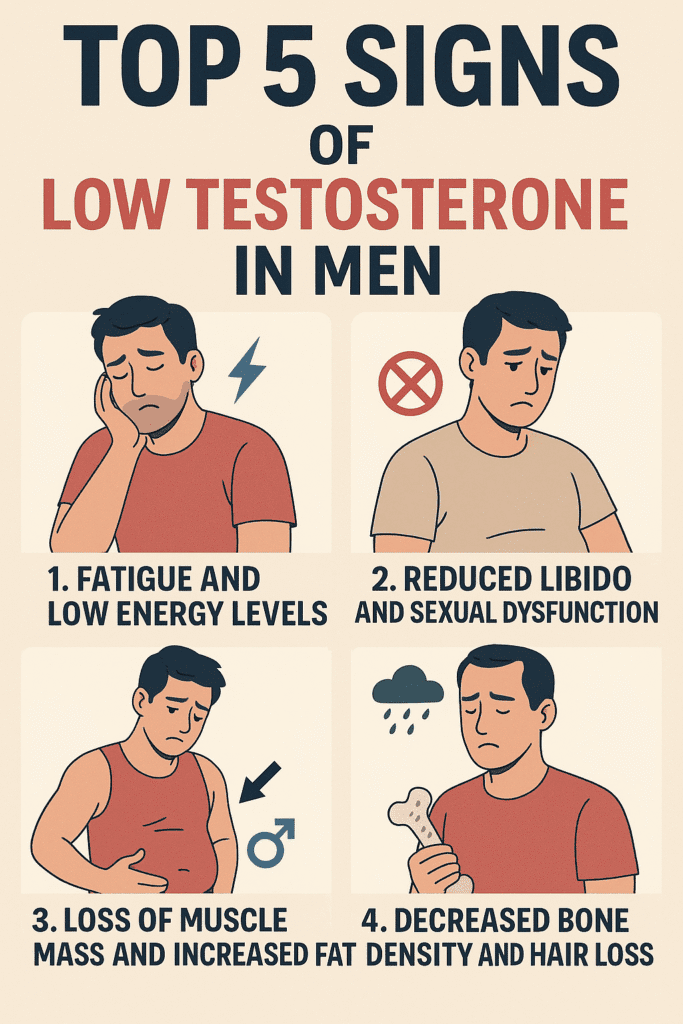
Top 5 Signs of Low Testosterone in Men
Recognizing the symptoms early can help prevent long-term complications. Here are the top five warning signs of low testosterone:
1. Fatigue and Low Energy Levels
Men with low testosterone often report feeling tired all the time, even after a good night’s sleep. This type of fatigue can be persistent and unshakable, making even small tasks feel daunting.
- Why Low T Causes Tiredness: Testosterone is crucial for energy metabolism and stamina. When levels drop, energy production slows, leading to constant fatigue.
- Impact on Daily Life: You might skip workouts, lose motivation at work, or even fall asleep during the day.
2. Reduced Libido and Sexual Dysfunction
Testosterone is the fuel for male sexual drive. A noticeable decrease in libido or performance issues could be directly linked to low T.
- Link Between Testosterone and Sexual Health: Low levels affect erection quality, ejaculation, and overall desire.
- Erectile Issues Explained: Testosterone helps trigger the release of nitric oxide — essential for erections. Without it, performance suffers.
3. Loss of Muscle Mass and Increased Fat
You may notice a softening of muscles or gaining fat, especially around the belly, even if your diet hasn’t changed.
- Muscle Atrophy Due to Hormonal Imbalance: Testosterone is anabolic, helping build and maintain muscle tissue. Low levels lead to muscle breakdown.
- Why Belly Fat Increases: Low T encourages fat storage, especially visceral fat around organs, increasing health risks.
4. Mood Changes and Depression
Hormonal imbalances often manifest mentally before physically.
- Hormonal Impact on Mental Health: Testosterone affects serotonin and dopamine, both crucial for mood stability.
- Emotional Symptoms: You might feel sad, irritable, anxious, or emotionally numb — often misdiagnosed as classic depression.
5. Decreased Bone Density and Hair Loss
Low testosterone can silently erode your bone health, making you prone to fractures.
- The Silent Threat of Osteoporosis: Weak bones and poor posture may go unnoticed until a break occurs.
- Hair Thinning and Loss: Testosterone also influences hair follicle growth. A drop might lead to thinning on the scalp or body.
Diagnosing Low Testosterone
If you suspect low T, don’t self-diagnose. Consult a healthcare provider.
- When to See a Doctor: If you experience two or more of the above symptoms persistently.
- Types of Tests Used: A simple blood test, usually done in the morning, can confirm testosterone levels.
Risks of Ignoring Low T
Low testosterone isn’t just uncomfortable — it’s potentially dangerous if left untreated.
- Long-term Health Risks: Increased risk of heart disease, obesity, diabetes, and even Alzheimer’s disease.
- Emotional and Relationship Consequences: Lowered self-esteem, reduced intimacy, and emotional withdrawal.
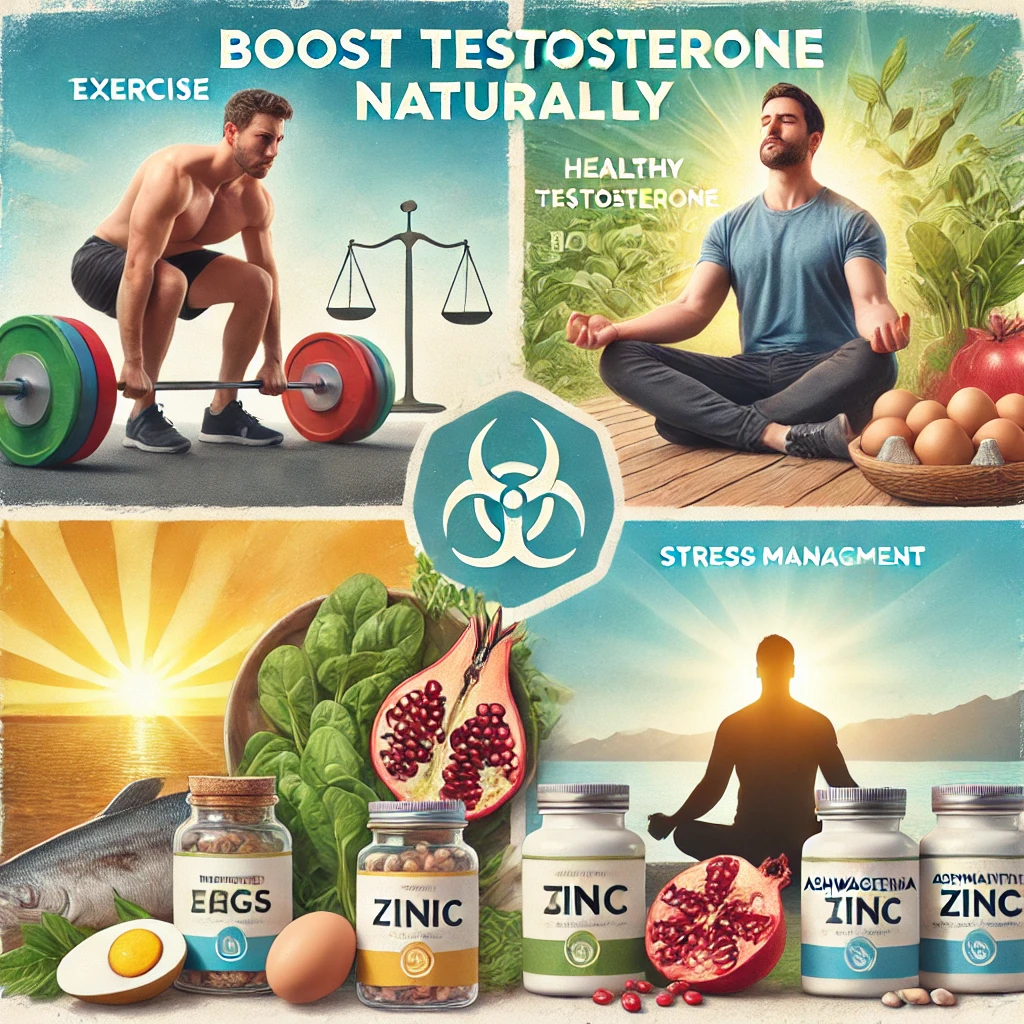
How to Boost Testosterone Naturally
Boosting testosterone naturally is both achievable and sustainable for many men. Let’s explore how.
Exercise and Strength Training
- High-Intensity Interval Training (HIIT) and resistance exercises like squats, deadlifts, and bench presses can stimulate testosterone production.
- Consistency is key — aim for 3–4 strength workouts per week.
A Testosterone-Boosting Diet
- Foods That Help: Eggs, tuna, leafy greens, pomegranates, and lean meats.
- What to Avoid: Processed foods, sugar, trans fats, and soy products.
| Food | Testosterone Benefit |
|---|---|
| Eggs | Rich in healthy fats and protein |
| Tuna | High in vitamin D |
| Spinach | Magnesium-rich, reduces inflammation |
| Pomegranate | Boosts libido and hormone levels |
Stress Management and Sleep
- Cortisol’s Effect on Testosterone: High stress = high cortisol = low testosterone.
- Importance of Quality Sleep: Aim for 7–9 hours. Deep sleep is when testosterone is naturally produced.
Natural Supplements and Herbs
Some natural aids include:
- Ashwagandha: Reduces stress and boosts testosterone.
- Fenugreek: Improves libido and strength.
- Zinc & Vitamin D: Essential minerals for hormone production.
🧪 Note: Always consult a doctor before starting any supplement regimen.
Lifestyle Changes to Avoid Endocrine Disruptors
- Ditch plastic containers and switch to glass or stainless steel.
- Avoid microwaving food in plastic.
- Cut back on alcohol and avoid smoking.
When Natural Methods Aren’t Enough
While many men experience improvements through lifestyle changes, others may find these efforts aren’t sufficient. In such cases, more structured medical intervention might be needed.
Discussing Testosterone Replacement Therapy (TRT)
TRT is a medical treatment where synthetic testosterone is administered to restore hormonal levels. It can be delivered via:
- Injections (weekly or bi-weekly)
- Skin patches or gels
- Pellets implanted under the skin
Pros of TRT
- Rapid improvement in energy and mood
- Enhanced libido and sexual performance
- Muscle gain and fat loss
- Improved bone density
Cons of TRT
- Can suppress natural testosterone production
- May lead to acne or oily skin
- Potential increased risk of blood clots or heart problems
- Requires long-term commitment and monitoring
⚠️ TRT is not a first-line approach. It should be considered only after comprehensive testing and consultation with a hormone specialist or endocrinologist.
Prevention Tips for Long-Term Hormonal Health
Proactively maintaining testosterone levels is easier than reversing a severe decline. Here are key prevention strategies:
- Regular Exercise: Combine cardio with resistance training.
- Mindful Nutrition: Avoid excess sugar, alcohol, and processed foods.
- Stress Control: Try meditation, breathwork, or journaling.
- Sleep Hygiene: Keep a consistent sleep schedule and limit screen time before bed.
- Annual Hormonal Checkups: Especially after age 30, regular bloodwork can catch changes early.
FAQs About Boosting Testosterone Naturally
1. How long does it take to see results from natural testosterone boosters?
Most men see changes within 6–12 weeks of consistent lifestyle changes, but results vary by age and health condition.
2. Are testosterone supplements safe?
Natural supplements like zinc, magnesium, and ashwagandha are generally safe when used as directed. Avoid unregulated “T boosters” without medical advice.
3. Can being overweight lower testosterone?
Yes. Belly fat, especially visceral fat, can convert testosterone into estrogen, further lowering T levels.
4. Does sex or masturbation affect testosterone levels?
Frequent sex may slightly raise testosterone levels, while excessive masturbation has minimal impact overall.
5. Can alcohol lower testosterone?
Yes. Heavy or frequent drinking disrupts hormonal production and can reduce testosterone levels.
6. Is there a specific age when testosterone starts to drop?
Testosterone typically begins to decline around age 30, with noticeable symptoms often appearing in the 40s or 50s.
Conclusion
Low testosterone can sneak up on you — showing itself in fatigue, muscle loss, mood changes, and diminished sex drive. The good news? You don’t need to settle for less energy or a declining quality of life.
With strategic lifestyle changes, dietary improvements, and the help of natural supplements, you can boost testosterone naturally and feel like your best self again. And if needed, medical options like TRT are there to support your journey under professional guidance.
Stay proactive. Your hormonal health is the cornerstone of your overall well-being.